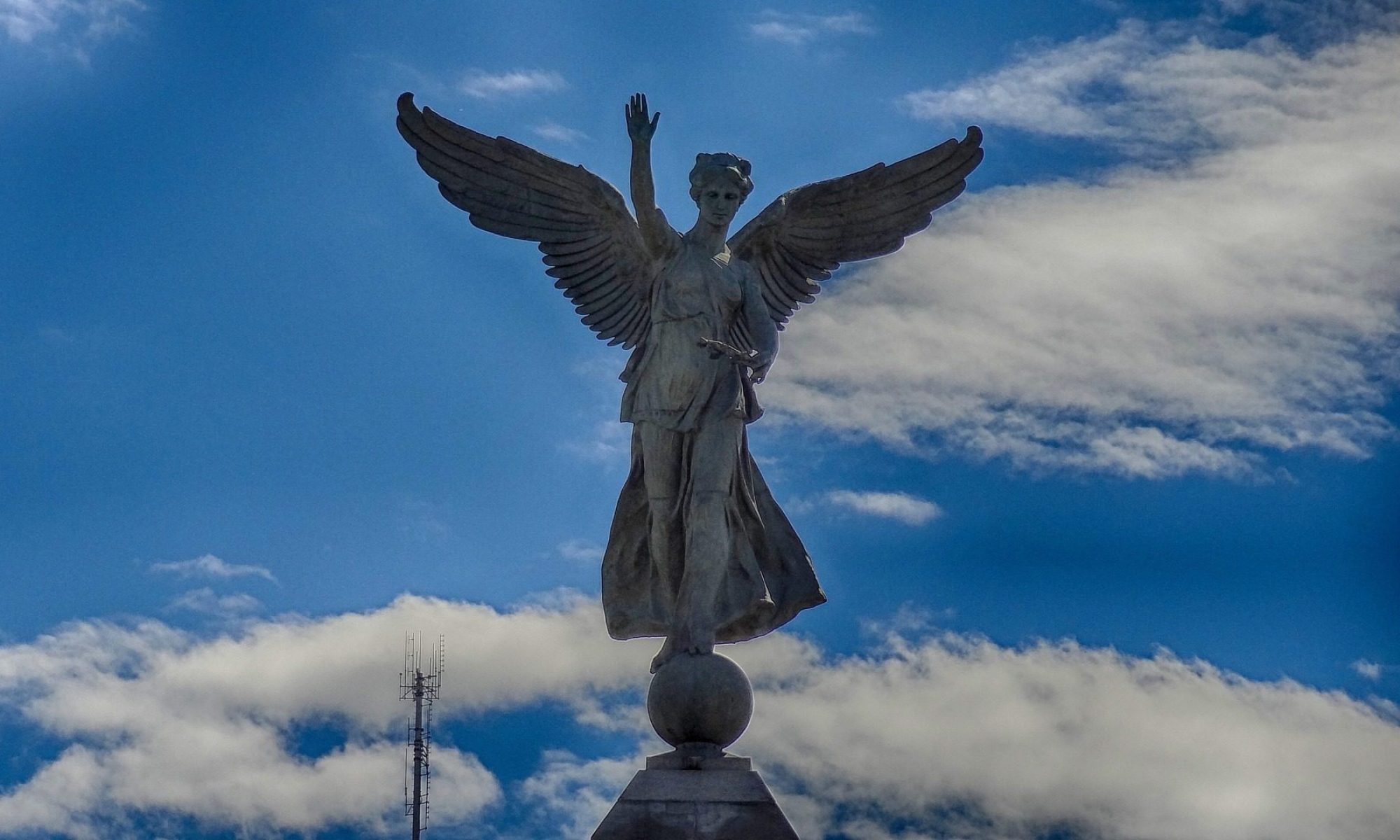
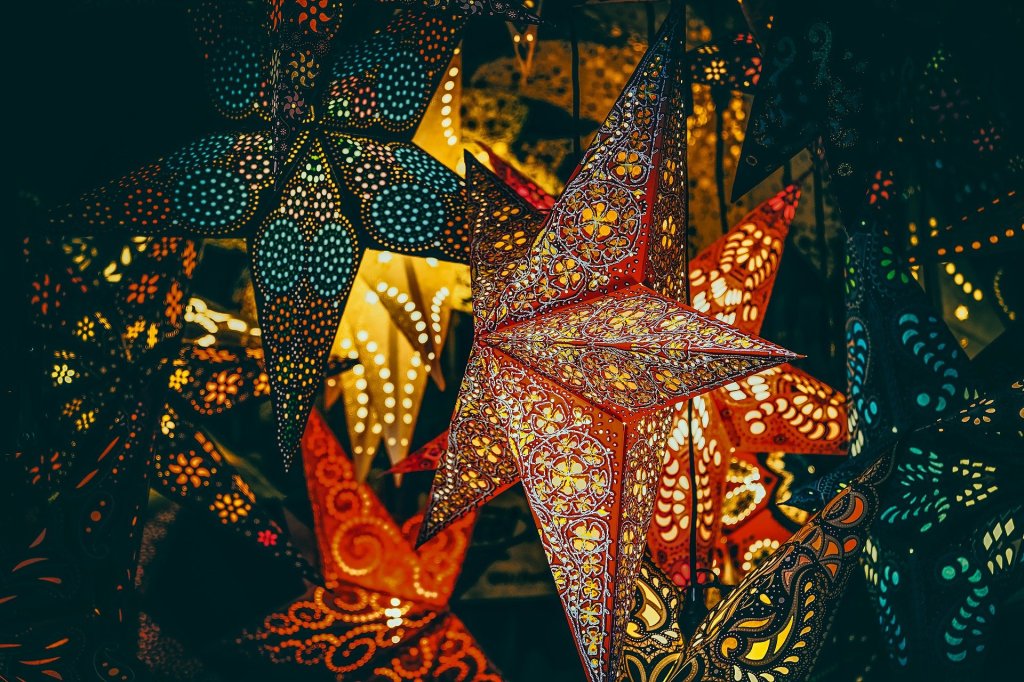
Illuminating Shadow

When I was in third grade, the school bully lived in my neighborhood. I didn’t know that when I saw him standing on top of the jungle gym on the playground with his arms outstretched in a victory V. He was bigger than the other boys in my class. He didn’t fit in, and he evoked a complex mixture of emotions in me: fear, awe, anxiety, confused compassion.

I learned that our backyards adjoined at the corners, separated by two rows of bushes that grew together at the top, making for a not-so-secret cave-fort beneath them. One day he spied me hanging out in the fort and invited me over to swing. I loved to swing, and we didn’t have a swing set. Whatever reservations I had about him were quickly tamped down by my desire to have fun, and I crossed the threshold into his backyard. We didn’t say much to each other, and I don’t remember ever going there again. 

During this season of celebrating light, we look more deeply into the heart of darkness, the shadows, and we seek illumination. The distribution of it, like so much, is inequitable and inconsistent. Abuse and injustice, illness and loss, poverty and violence—all of that and more–can cause the most vital light, that which flames within, to be dimmed. Those of us who have received, and continue to receive more light, are called upon to kindle embers that threaten to become ash, including our own.

The bully was a foster child . We were both broken in our different ways. He was kind to me and my brothers. We saw the light in him that our classmates didn’t. Forever after that time I soared on a swing in his backyard, I saw him as a protector, a light bearer rather than someone in shadow.

The play of light and shadow is not seasonal, but the lighting of candles and festivals of light all around the world this time of year bring what we anticipate and long for–beauty, joy and hope–reflecting what flames within and wants to shine so brilliantly, illuminating shadow, magnifying light.
Come to Your Senses

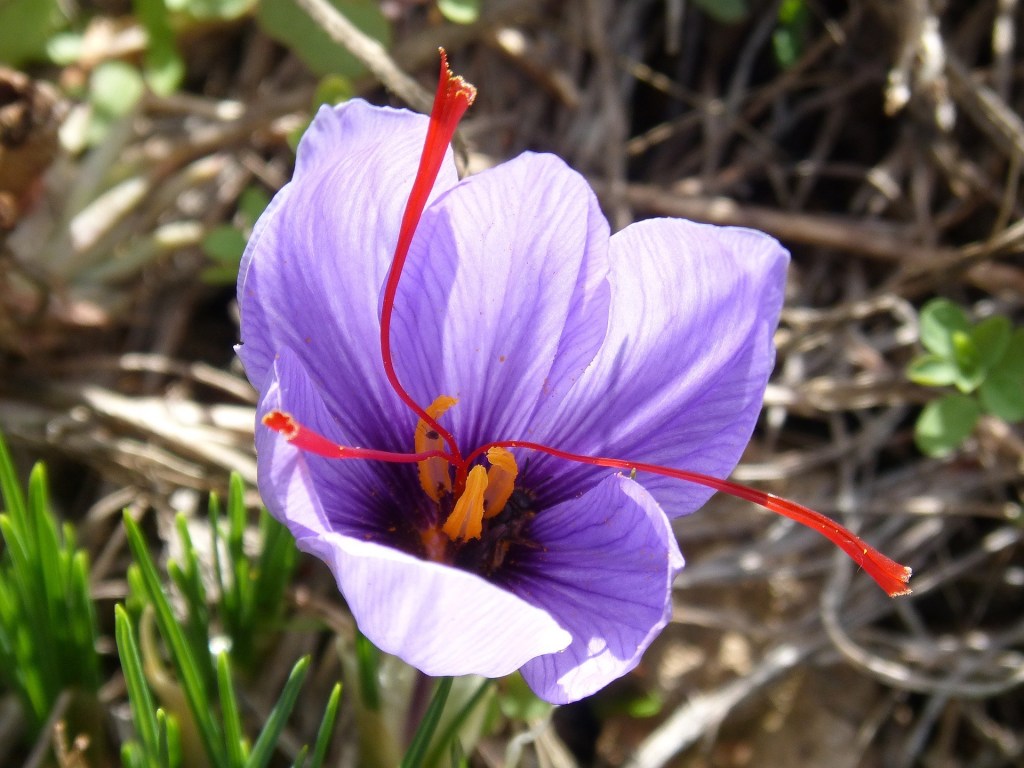
Image by Marc Pascual from Pixabay

Saffron comes from the handpicked stigmas of crocuses. If you have ever used it in a recipe, you know the ritualistic pleasure of unwrapping the expensive crimson threads from their protective packaging, then dissolving them in a bit of water to create a colorful potion that gives the dish a delectable, complex flavor. 

Scent, the empress of evoking memory and emotion, can cause swooning, longing, joy, disgust, illness. In no rush to be anywhere, scent often lingers, sometimes heady like a lover’s cologne, lilacs in springtime, evergreen, or at times unpleasantly potent like the stench of decay, smoke from fire, a skunk in the road. 

The soul soars to what is music to our ears—a song, a voice, the sound of laughter, ocean waves, waterfalls, the clink of glasses. It withers in pain from the assault of noise pollution—leaf blowers, honking horns, screeching tires, raised voices. Our reality is painted by the images and colors we see. Dreams are more vivid and memorable when a shock of color highlights the stage. 

Out of habit or choice we can unconsciously ignore or willfully shut down our senses forgetting how much they feed us. A very sick friend surprised me when she said, “It’s nice to be touched again.” Her medical care required more touch than she had experienced in a long time.

We can be robbed of our senses through illness or accident. Lack of taste and smell are key symptoms for many who have had COVID-19. The pandemic has reduced our ability to give a hug or a peck on the cheek, a handshake, to travel. Much of our interaction is by necessity through phones and computer screens, a blessing to have at least that.

“Come to your senses” suggests returning to a proper state of mind. As we witness what is unfolding and try to quell anxiety with hope, our senses can help maintain equilibrium. They viscerally ground us in the here and now.

Sniff a favorite spice, listen to music that lifts or soothes, savor a favorite dish, meditate on a flowing river, and if you can’t be with someone, give yourself a hug, pet a dog or a cat, take a warm bath. Come to your senses.

Dear Diary

book-4806076_1280Several years ago, I told one of my cousins if I preceded him in death, he should make a beeline to my place and burn any journal he found before anyone else arrived. He said, “I’ll buy you a shredder, and you can take care of that yourself.” And so, he did. And I got busy.

Not all diaries are secret BFFs, confessionals or epistolary therapists. They are written for many reasons, and some have been quite enlightening in a historical, humanitarian or artistic sense.

After her death, through Anne Frank’s recorded thoughts and feelings, the world, including her father, came to know what it was like for her in hiding during the Nazi occupation of the Netherlands. Virginia Woolf’s famous diaries are autobiographical as well as where she experimented with and explored her writing. The diary John F. Kennedy kept as a young correspondent in 1945, in which he expresses his opinions about Hitler and the UN, sold for over $700,000. Historians believe it is the only one he ever kept.

Charles Dodgson’s (Lewis Carroll’s) family tore several pages from one of his diaries and mysteriously misplaced some volumes, only adding to speculation about the nature of Dodgson’s relationship with the Liddell girls, including Alice, who encouraged Dodgson to write down the story that became Alice in Wonderland, a book that’s never been out of print since its publication in 1865. Nor has Carroll’s contentious reputation been laid to rest since his death in 1898.

The impulse to keep time and to record fact, fantasy, delight, sorrow, guilt, secrets, and even shame, is not universally felt but sometimes universally appreciated. There is a Wiki page devoted to the many people who were diarists. They include writers, theologians, politicians, philosophers, artists, historians and others.

Whether a diary is intended to be shared or not, the voice is immediate and intimate, implying a sacred trust. The sacred trusts we hold in locked boxes and vaults imo pectore for ourselves and others make each of us diarists. These holy pages can never be shredded, torn out or burned. Along with love and loss, they forever change the narrative.

Presence

woodsOne of my uncle’s used to repeat some of his phrases, a diction tic that was endearing. Several years ago, driving my mom and I around San Francisco, he said to her, “Every day something new, right Mary?” And before she had a chance to respond, “Every day something new, right Mary?” I think about that often, because it still makes me smile, and because the simple truth of the statement applies, well, every day.
Over the years, I’ve walked the woods near work more times than I can count. I’ve been in them in all seasons, sometimes almost daily for weeks at a time. Recently, on a moody, gray autumn day, I sought those woods mid-morning to ground me, to bring me back to the present.

I had been in them at first morning light less than 24 hours before. In the short time since, the ground of the clifftop had become filled with tripping hazards, acorns tossed about like marbles on the floor, the walking path freshly blanketed with newly fallen leaves that hid some of the jutting stones. I was forced to pay attention to each step, slowing my pace more than I liked. Deep in the woods, the reckless wind, barely a whisper the previous day, rubbed two trees together, playing them like out of tune string instruments accompanied by a maraca rhythm of rustling leaves.

I entered the woods with a heart and mind as restless as the wind. Regardless of the wisdom of Rilke’s words, it can be hard to love and live the questions now, to be patient toward all that is unsolved in your heart. Back at my desk, a few hours later, the rains came. The river that shone with glittering sunlight earlier was a blurry slow-moving slate gray, the George Washington Bridge a watermark of itself. And nothing was any clearer in my head or heart, but it no longer mattered. Every day there is something new, every hour, every minute.

Summertime

fpZU5EQDistracted by the dreamy placid river, broody clouds deciding whether to unleash a storm, fighting an obsession, looking for a hawk, seeing only turkey vultures swooping and gliding, widening their circles, tasked with doing what none of us will, startled by a young buck at the edge of the road in the fog. Come here.

Surprised by the unexpected, annoyed by it, too. Alarmed I thought I knew what was going on only to realize I didn’t know a thing. I didn’t know you. Or you. Or you. How many times did you, and you, and you feel the same about me? Please tell me.

Missed the full moon lost under a banner of opaque gray in New Jersey. Again. Crazy New Jersey. Thwarting anticipated beauty, spotlighting it where I least expect it, gifting me in spellbinding ways. Pacts we made before I arrived. Are you the coyote trickster, Jersey? I hate you. I love you. I’ll go away. No, wait… I’ll stay.

Finally, fireflies at night, butterflies in daytime, glimpses of the woozy, intoxicating, ethereal world between here and there. Their buzz, their light, colors and patterns unmatched, diverting my gaze, leaving me tipsy with wonder. Take me with you.

The visceral lines between opposites—love/hate, war/peace, joy/sorrow, confusion/clarity, sick/well, sacred/profane—are blurred. Yes. No. Maybe. Of course. Is it okay? Ah, what will be will be.

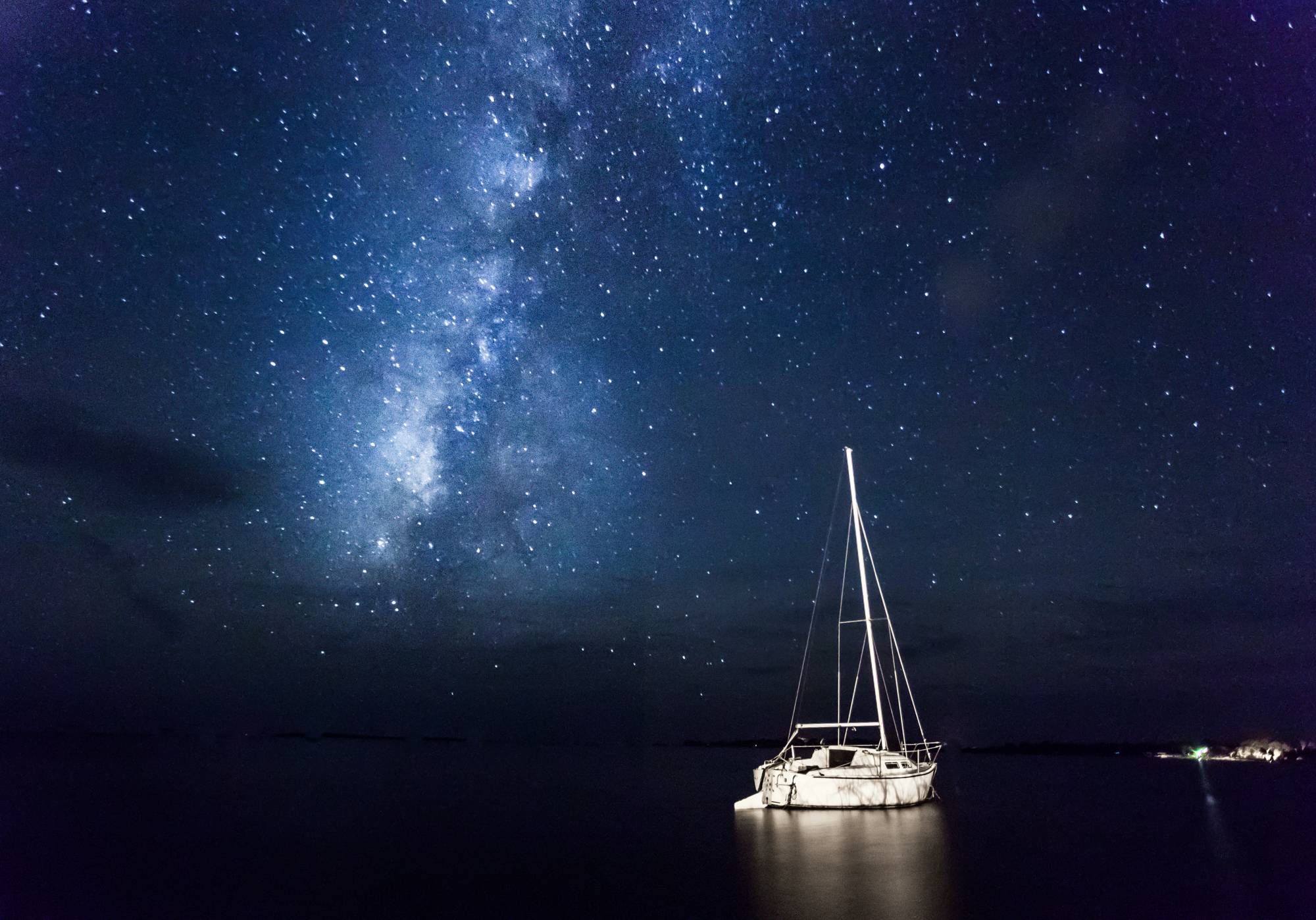
I want to settle into a hammock, lie back on a sailboat, get lost in the sky, the stars, leave expectations I don’t comprehend and fail to fulfill behind. I want to catch whoever needs catching there, hold and rock them. Still anxiety and fear.

You and me. We are no different whoever you are. Except for the shape of your lips and the curve of the lines, the hesitancy or lack thereof, we are the same. I recognize the disarming language of your smile. Hello.


Take a Hike

imagesEvery year or so, a friend and I go on a writing retreat. We like to be near the water in a peaceful, reflective setting. This year we found a quaint house on a small part of the bay where osprey and heron regularly do flybys and the water serves as a mirror for tall leafy trees in the morning.

Prior to setting out, I attempted to re-read the most recent version of my work-in-progress, so I could hit the ground running. A hundred pages in, it was clear that there was a reason I’d stayed away from my child for so long. He was rambling and incoherent! And I felt powerless to help. My brain was in the deep freeze.

At lunch on about the third day, I told my friend I couldn’t figure out the fix. I thought I should abandon ship. She thought for a minute and then offered a suggestion that would never have occurred to me, one that provided near instant brain thaw. But was it instant?

When I shared this experience later with another friend, she told me about the three-day effect, a term coined by cognitive neuroscientist David Strayer to describe what happens to the brain after we’re immersed in nature for three days. It rests and reboots, increasing creativity and boosting problem-solving capability by as much as 40 percent.

While three days may be the Cadillac reboot experience, as little as 15 minutes in the woods can have profound effects on us, reducing cortisol and increasing overall well-being. Increasing the time in nature to 45 minutes can improve cognitive performance. But the effects go even further than that. Florence Williams traveled the world working with nature neuroscientists to find out the reasons why. She details those findings in her book, The Nature Fix: Why Nature Makes Us Happier, Healthier and More Creative. Wallace J. Nichols explores similar effects of water in his book, Blue Mind: The Surprising Science that Shows How Being Near, In, On, or Under Water Can Make You Happier, Healthier, More Connected, and Better at What You Do.

How lovely to be tended to by Mother Nature in this way. In fact, taking in nature in any way available can bring powerful restorative benefits to our brains. So yes, take a hike, or find a seat with a view.


Gabriel’s Horn

The trumpet notes drift to her in sleep, a melody she’s never heard, stupefying in its beauty, a solo played just for her. She pictures the lone trumpeter in the street leaning against a lamp post, an Edward Hopper figure half in shadow fingering the valves, blowing soaring notes. Is it a love song? A keening? Exultation to something higher? More mesmerizing and seductive than she imagines the song of the sirens, like Odysseus she wants to follow it, but is rendered motionless, tied to the mast of her bed.

When unwanted silence returns, she rouses herself and hurries to the window sure to catch the thin time trumpeter, but there are only parked cars in the street, a family of raccoons tripping her neighbor’s outdoor sensor, a streetlight at the corner lighting a stray cat on the prowl. She returns to bed to catch a few more restful hours before dawn.

The flap of wings is like the loud snap of a sheet on a crisp sunny morn, a whoosh of air, wings beating so close she ducks and cowers from what she cannot see, trying in vain to control the rapid flailing of her caged heart. Fearful of disturbing the source about her head, she lies down, submissive. It hovers and finally rests above her crown where it abolishes fear, holds her weary spirit, healing it for another go, imparting peace and impossible joy before it is gone quick as it came, before she has a chance to ask her questions, to say her thanks. A dream within a dream.

Only a glass of wine with dinner, she’s sure. Her head says dream. Her heart knows better. Who can she tell? What would she say in the telling? She did not awake from the nighttime visitations with any message to share, only indescribable majesty, succor in the nick of time, divinity delivered in a way she can digest, endlessly nourishing. A longing quenched, a new one in its place.

Easter Monday Surrender

Sitting at home on Easter Monday listening to the morning snow melting in rhythmic drum taps on the bathroom skylight, I look out at the tree branches gallantly holding another thick blanket, regal and elegant in spite of the weight. Steamed heat in the old radiators blends hisses and bangs with the dripping beat in an unexpected improv percussion jam. A train whistles a trumpet glide announcing a journey, joining in the riff of the moment.

My mind wanders to an earlier conversation with a young person in my life seeking her path, feeling stuck, a bit confused. I wish I had wisdom, but I can only offer love, the promise of a book in the mail that maybe will help, some gentle questions and suggestions, the faith that I am here. I am always here.

I think, too, of a flaming email that arrived on Easter causing sadness over the state of a relationship, a person and his pain, the knowledge that age is not necessarily a shield from our very human emotions. I wish I could erase the pain, that I could clear the bramble and thorns that are choking new growth, that I could bring the thaw. But with every step of our path lately, I see more cloudiness and perhaps a permanent fork in the road. Retreat seems the only way to peace.

I’m invited upstairs for espresso with warm milk and a delicious homemade cookie I don’t need, Easter abundance still straining the waistband of my slacks. Easy conversation roams from our latest dreams and goals to the behavior of our cats. When I get back downstairs the jam session has faded, the cats are curled into C-shapes, content, peaceful.

The snow has slowed its steady fall and through the covered trees I can make out the river beneath the cliff, catching and carrying the melting snow. Sometimes the weather changes with little or no warning. There is grace in gravity, in standing still, relief in letting go, melting like the snow and entering the flow, surrendering what I cannot control.

Welcome to My Worlds

This is an old post resurrected in honor of Stephen Hawking who I am sure is still out there soaring somewhere.

In 2016 when PBS aired Stephen Hawking’s Genius series, I caught an episode that featured parallel universes and the scientific community’s increasing belief in them. Falling into a black hole, one might find a way out through a portal to another universe. What that means practically speaking, I am not sure, but my mind keeps turning over the wondrous possibility. In a world where violence continues to reach depressing new peaks of disbelief, where our leaders cannot seem to do the right thing, the idea of other worlds where we our are better selves holds appeal.

It may seem impossible to consider living other lives simultaneously in multiple universes, particularly when you think of how complex your life already is. On any given day, you bring several versions of your life to the table. While sitting in a meeting, you might also be thinking about your bills or retirement.  How will you pay for your kids’ college education?  You may be worried about your health or the health and welfare of someone close to you. Maybe you feel you are falling short of your life goals. Will this meeting never end?

At lunch with a friend, you might be half-listening while planning a celebration in your head or pondering your next week off. Will you go out of town or stay local?  What’s for dinner tonight? Do you need to stop at the store on the way home? What did she just say? Is your spouse happy? Really? With an effort, you pull yourself back to the present until your mind wanders off again to one of your other worlds.

It’s nearly incomprehensible to think we might be holding just as much in parallel universes! And yet, you have to admit, if it’s true, there’s something magnificent, beautiful and divine in that design—a kaleidoscope of lives within a kaleidoscope of lives—different depths, shapes and colors. Do our actions here have a ripple effect that is even greater than we realize?

As scientists and physicists discover and explain more, the circles between what we know and what we imagine continue to overlap and grow, expanding the subset of the two. You can almost hear the echo of your heartbeat in the middle of it.

New Pajamas?

When I was about five-years-old my mom made me a pair of pajamas with a waistband that was too big. I strutted around the kitchen table at breakfast modeling them for my father and brothers until they fell down around my ankles. In that moment I learned the high of making people I love laugh. Naturally, I had to repeat it, pulling my pajamas up and letting them fall down, until I wore out the effect, and my mother made me stop. But it was done. I was a certifiable goofball and proud of it.

Humor is an elixir with the power to break tension and soothe what ails, if only temporarily enough to keep us buoyed and balanced, especially in these hard times. And hard times they are. Heightened environmental and socio-political ills coupled with whatever we may be carrying personally provide a seedbed for anxiety, pain and stress making us more susceptible to illness.

Laughter releases endorphins, the opposite of anger, fear and panic, which release adrenaline. It boosts our immune systems, protects our hearts, and burns calories, among many other things. It’s also a great leveler and can be the magic gateway to ending a stalemate when other means fail. Laughter is a master matchmaker, fostering likely and unlikely alliances.  Click here for more benefits of laughing.

You might think you can’t manufacture laughter but not so. In 1995, Dr. Madan Katari founded laughter yoga theorizing that the body doesn’t know the difference between fake and real laughter and it experiences benefits either way. Journalist, professor and peace advocate Norman Cousins famously treated his illnesses with laughter, vitamins and diet.

So, seek it wherever you can find it–through friends and family, funny movies and books, comedy clubs and shows, whatever works. There is nothing to lose in trying to be a little lighter, because there simply can’t be too much light right now. Me? I may have to buy some new pajamas and invite some friends over for breakfast.