The Faucet Drips but Will Not Flow

Image by Susanne Jutzeler from Pixabay

What to do? One doesn’t force creativity. Oh sure, there are exercises like playing scales or stretching before a workout, scenes to draw, characters to begin fleshing out, research to do, but lately, nothing puts you in the groove.

Ideas are lined up like frenemies, none willing to come out to play. They tease, and then they are wary and sometimes even mean. They aren’t sure you are worthy, and you feel the same about them. Several scenarios are thrown around, but like tossing paper airplanes in a crowded room, they land lifeless at your feet. And now you all stand crowded into the same space, twiddling thumbs, frustrated, waiting for the water to flow, worried none will step forward and start the dance again. The onus is on the idea. The onus is on you. Is there a difference? Yes. No. Maybe.

What about that idea about secrets and confessions, shame and guilt that seemed to have heft and to traverse easily between the holy and the profane? It strutted around all puffed up, but it didn’t get liftoff. Why? It accuses you, demands an explanation. It presented when others stood back. You tried to follow its lead. It wasn’t a rejection, you plead, you simply couldn’t do it justice. Of course, you have what it takes but not right now! Please be patient, you beg. I will get to you.

You try not to measure your process or productivity against others. You need a break but don’t dare take one in case the ideas lay down to rest, or worse, disappear entirely, and there is no longer so much as a drip to be seen or heard. You know better. They always come back. 

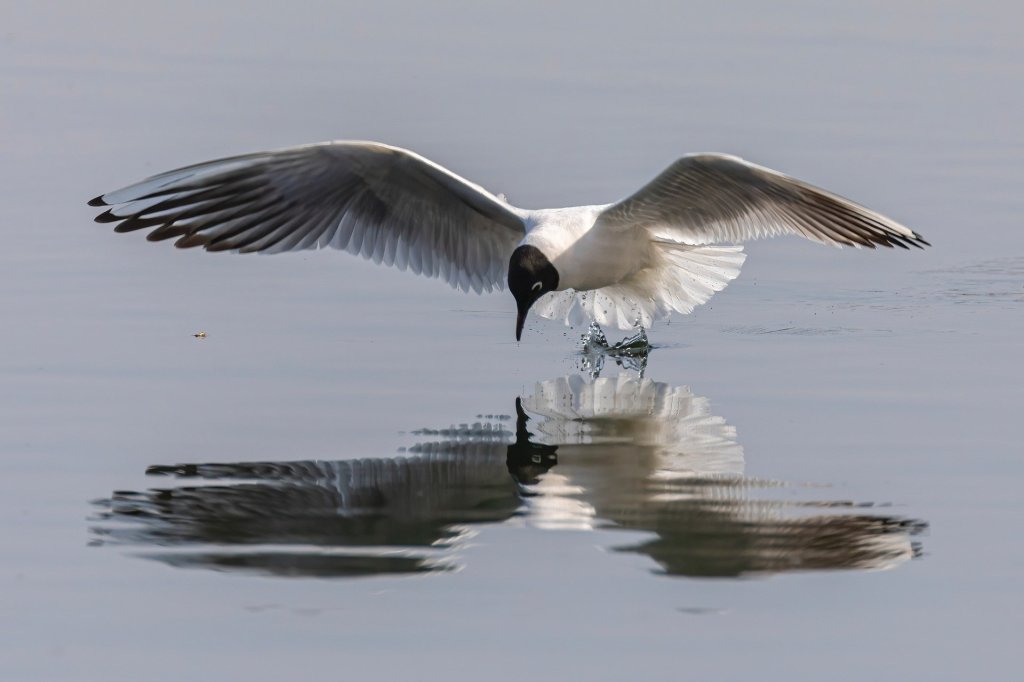
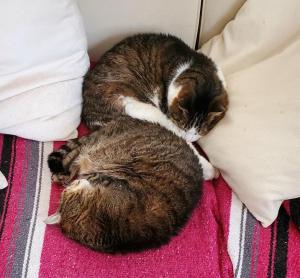
Sometimes creativity needs a wide berth. Rest, give in, go fallow, a nap in winter with the cats feeds the spirit whence the ideas spring. The right one will come at the right time. It might make a slow entry, the courtship long and unpredictable. Are we on, or are we off? Or it may come at once, a thunderous announcement that silences the others. I’m here! Let’s go, let’s go, let’s go! And the rain will pour again creating the rushing stream on the side of the cliff with a lively noise that at once quells and excites.

Eternity

Image by Dimitris Vetsikas from Pixabay 

What is eternity? Is it real or imagined? 

Years ago, I was hanging out with a friend while she prepared dinner and we waited for her husband to get home. Her then five-year-old daughter came into the kitchen and asked when we would be eating. “Five minutes,” my friend replied, whereupon her daughter crumpled to the floor and wailed, “Five minutes?! Five minutes?!” An eternity.

When my brothers and I were just a little older than that, we would sit at the top of the stairs on Christmas morning, the two older ones in front, my younger brother and I two steps above, waiting for permission to go downstairs. Eternity.

One of my grandmother’s used to say the definition of eternity was two people and a ham. Eternity is defined by Merriam-Webster as: forever, infinite time, the state after death: immortality, a seemingly endless or immeasurable time. Eternity has the sense of being both definable and indefinable, a state that can be applied to a myriad of emotions, a word used in exaggeration about circumstances. By definition eternity is challenging.

Longing, waiting, and anticipation often accompany eternity, sometimes joined by impatience. There is a painful disparity in waiting in quiet or joyful anticipation for what seems an eternity measured against waiting in silent agony for an unwelcome event or outcome or waiting on hold or in traffic in frustration for what seems an eternity. 

Advent is a time of waiting and expectant joy for many, and in the best moments, a time of peaceful stillness, connection. For others it’s a time of stress and a season to endure, a time where some are excluded, a season that can bring both welcome and unwelcome versions of eternity. And for some it eternally holds no waiting or meaning at all.

Like the one great sea that varies in temperament depending on where it is in the world, we hold the dark, stormy and unpredictable within along with the deep, calm and steady. We hold that for ourselves as well as for others, including those we might call strangers who are anything but. This holding is gift and challenge requiring what nature constantly demonstrates in a steady rhythm: presence, stillness, attentiveness, patience, listening, watching, waiting, silence, inherent faith that we are tethered together in a boundless sea of eternity. 

Presence

Eleven years ago, I moved from Washington, DC to New Jersey, my two sweet cats in tow, Cleocatra, then seven and Sasha, then six. It was a tumultuous move for all of us. My cats, like most, hating the disruption; me, sad to leave beloved friends and a city I had called home for nearly 20 years. But it was perhaps hardest on Sasha. She alternated between loud crying and mewing the whole gray, drizzly ride here. I realized too late that I should have sedated her. Upon arrival at our new place, I went to free Cleo and Sash from their carriers, but by then Sasha was literally catatonic and unwilling to come out.

When she finally did emerge, after movers were gone and the three of us were left to wander among our boxed belongings and furniture, she was both scared and furious. She had never been prone to jumping, but I started to find her on high surfaces—the top of a high set of shelves in the bedroom, the top of the refrigerator, atop a four-foot marble ledge in the bathroom. Communication from her was reduced to growling and hissing. I was bereft. Had I broken this beautiful, sweet, loving soul? 

While I tried to coax her to calm, offering treats and assurances to no avail, Cleo simply sat still and let her hiss and snarl at her, never engaging or taking flight. She stayed close when Sasha clearly wanted nothing to do with her. It took a few days, but I came home one afternoon from an errand to find the two cats on the bed, Sasha nestled into Cleo just as she had always done.

I recently had an elective surgery that brought a widespread surge of support from a network of friends, family, and colleagues near and far, each person providing me with something the same and something different from the other in the form of steadfast love and encouragement and, in some cases, practical assistance. It has been humbling, to say the least. I have been reminded anew of how presence is anything but simple or insignificant. It is often the most loving, holy act we can do for one another.  Just ask the divine Cleocatra and Sasha, still beaming their steady light in my world. 

May the light and comfort of loving presence and the fount of gratitude that springs from it be yours. Happy Thanksgiving days one and all.  

Are You a Reliable Narrator?

Photo by Carlos Veras on Unsplash

You may not be a writer or even fancy yourself a storyteller, but like it or not, we are all narrators. I’ve written about reliable narrators before. S/he can take us anywhere, and oh, how we love being transported, even if it means imagining ourselves as Gregor the salesman turned cockroach in Kafka’s Metamorphosis. Unreliable narrators keep us guessing, either deliberately or unwittingly. The reader may be guessing, but the author is not. She knows her characters’ backstories and motivations and is very deliberate about plotting their behavior.

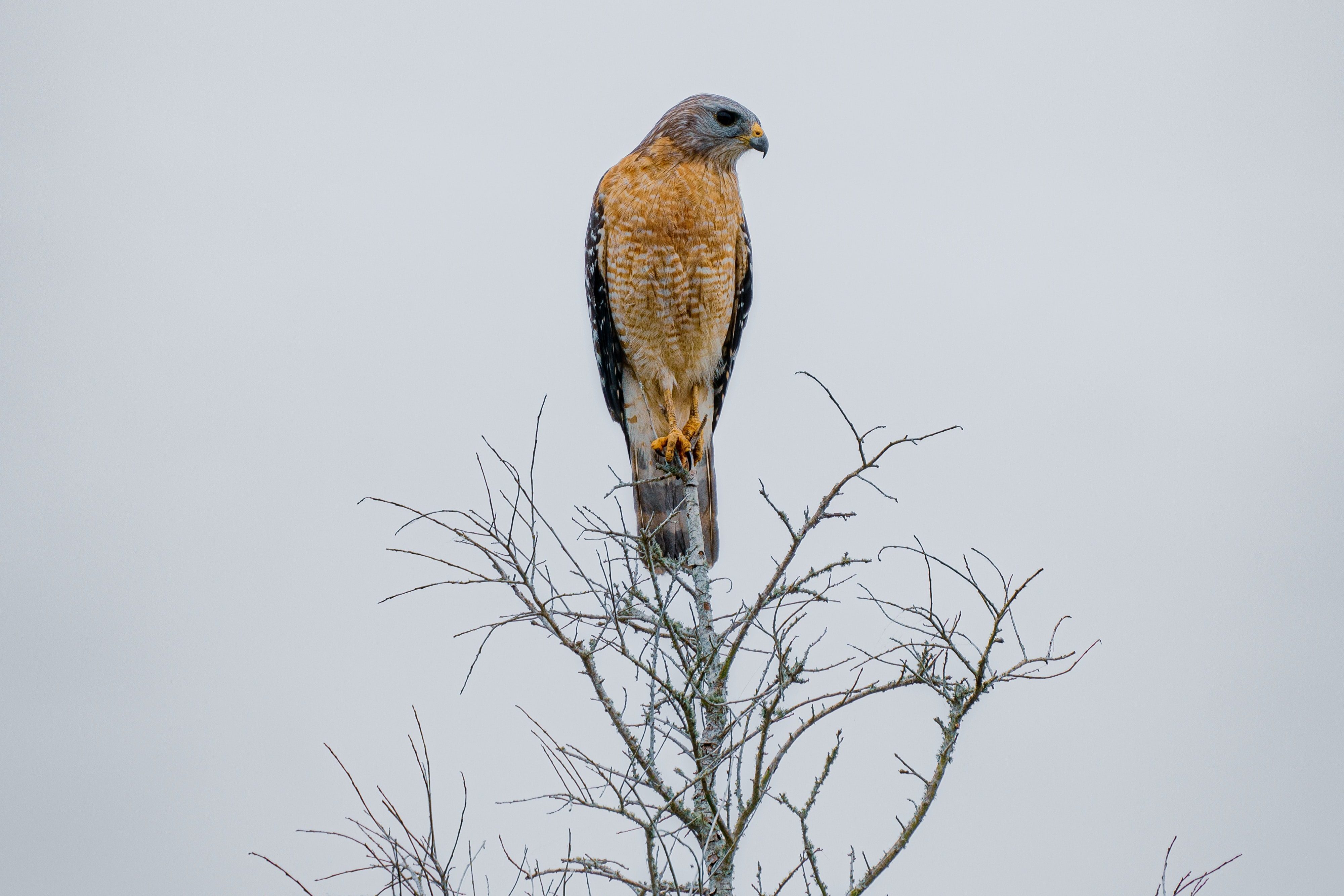
Our lives are populated with narrators, reliable and unreliable, and it is left to us to be discerning. We have our favorite news sources and other trusted narrators in friends and families, colleagues, doctors, counselors, and various advisors. Likewise, we narrate events to others as well as to ourselves. How trustworthy are we as narrators? Are our intentions good when we are sharing something about someone else? Is our view biased? Are we telling our story without the benefit of knowing the characters’ backstories and motivations? Are we driven by a need to be right, to sit on that holier than thou perch of judgment? Gosh, it feels good on that perch, doesn’t it? We can see so far and wide. But when the bough inevitably breaks, unlike raptors, we can’t take flight and the landing can be rough.

And what about the narrator in your head? Is she balanced in her judgment or is she too hard on you? Or perhaps too easy? Is she really echoing your mother, your former teacher, a tough boss, an ex? And does she ever give it a rest?!

In Polonius’ oft-quoted farewell speech to his son Laertes in the first act of Shakespeare’s Hamlet, he says:

This above all: to thine own self be true,
And it must follow, as the night the day,
Thou canst not then be false to any man.

Good advice that can be hard to follow with a cacophony of other voices in and all around us, but it’s worth finding that still point where you can hear you, because that voice? That voice is a like a torch in the dark, a scythe in high fields, a whisper that is heard over all the other noise. That’s a reliable narrator.

The Day You Decide

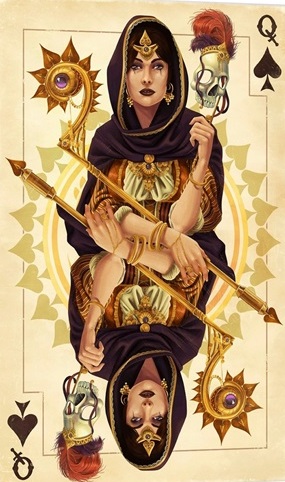
Paloma was summoned to court in the middle of the night by the Queen of Fear. Perched on her throne, the Queen wore a tarnished crown and a lopsided smile. Or was it a sneer? Paloma wasn’t sure. Her handmaidens, Anxiety and Dread, stood frozen on either side. 

Paloma cast her eyes about, eager to leave, only to find she, too, was stuck in place, mesmerized by this Queen. Many eager followers were also in attendance, all of them a twitter, but the Queen was clearly bored and distracted, hungry for more diversion.

“So, what brings you here,” her eyes narrowed in on Paloma.

Paloma was confused. “I was summoned.” 

“Were you? I don’t recall that.” The Queen looked first to Anxiety, then to Dread, who murmured incoherent sounds of assent.

“Why else would I be here?” 

“Why, indeed? Few are truly summoned here. The Queen looked over a growing crowd filling her court. They usually come on their own.” 

The room seemed to contract and expand, making Paloma feel claustrophobic. She was desperate to leave.

“You look a little peaked, dear. Do you need a rest?” 

The words were nice, but no so comforting coming from this Queen. “No, no. I am okay. I think I should be going now.” But when she turned to do so, Paloma found she still could not move. 

“Far be it from me to tell you what to do, but often those who cannot make a decision come to my court, and here they remain.”

 “What decision have I to make?” 

The Queen laughed out loud. “Oh, goodness, there are so very many. Apart from the basics, including being honorable and true, you hold yourself back—stuck—because you’ve made your mind a pretzel and put your life on hold with your what if this, what if that questions. You can no longer hear yourself think, so you’ve chosen me to rule.”

Chosen?  Was that true? Anxiety and Dread became more wide-eyed. Anxiety, unable to take a step, bobbed her head, her arms flailing. She looked beseechingly at Paloma.

Oh dear, thought Paloma. Let that not be my fate. A heart whisper rose to her ears, “For the love of Love, decide not to be stuck. Do something. Anything.”

Paloma curtsied. “I do have things I must do.” She thought she saw Dread give her the slightest smile. 

The Queen nodded consent and bid her farewell. “Nicely played.”

But Paloma barely heard the Queen’s parting words, so swiftly did she take her leave.

***

The day you decide to do it is your lucky day. (Japanese Proverb)

There You Are!

Image by Jon Pauling from Pixabay

Recently, when I was in Illinois for a family event, my brother Jed and I made our way to Graham’s, a favorite chocolate shop about a block from the Episcopalian church we attended when we were young. Priorities sorted, we stopped at St. Mark’s after an ice cream. Walking into the chapel from a sunny day to a familiar silence and the dim dust mote-y light floating through the stained glass, I was thrown back in time. From the cylindrical ruby red light fixture hanging in front of the altar to the pews and kneelers, there was no perceptible change.

Growing up, two of my three brothers were acolytes and were usually paired together when they served. Both were responsible, but one tended to be more punctual than the other. Jed kept us guessing about whether he’d forgotten he was supposed to be somewhere, eventually showing up, but often not before he’d raised our father’s ire. Ken was always punctual.

Jed shared a memory; the vestry where my brothers got ready for Sunday service was not well lit. One Sunday, Jed walked into the dark vestry in the nick of time to find Ken talking to the mirror, “There you are! I thought I was going to have to do this whole thing by myself!” Jed said, “Who are you talking to?” Startled, Ken turned to him and repeated, “There you are! I thought I was going to have to do this whole thing by myself!” We had a good laugh about that.

When you look in the mirror, who do you see? Is it a good encounter? Do you wince or exchange smiles? Have you grown so accustomed to the person you see that you barely look at her or him anymore? Are there harsh judgments about new lines and perceived imperfections, or do you meet eyes that light up with the joy of seeing an old friend? 

What we tell the person in the mirror is what we bring into our bodies, into our days, into our lives and into our world. Can you look long and lovingly enough to catch a flicker of the light you carry, a light that would astonish you if you could see how bright and beautiful you are? There you are! 

Miss You Much

Photo by xandtor on Unsplash

A few days before Easter, I received a card from a friend’s mother who I hadn’t seen in a while. A lot had gone on in both our lives during that time of not connecting. It wasn’t the Easter card I expected. Instead, the front was covered in hearts like a Valentine with the words “Miss You Much.” 

I was on the fence about attending Easter dinner at her daughter’s. Like many people, I had opted out of several gatherings the past two years for Covid-related reasons. As life returned to a semblance of normalcy, those pandemic-related reasons morphed into less decipherable ones for me. Grief? A need to retreat and renew? The world has wrenched our hearts and souls in breathtaking ways that have made cocooning seductive.

Teresa’s card made me re-think the Easter invitation. A generous, passionate woman, she embodies life and joy for many of us who know her. I realized I missed not only her but joy. Where had it gone? How long since joy and I had met, had a good cry, a riot of laughter, a simple smile across the table over a meal, a cup of coffee, a glass of wine? There had been occasions here and there, if I was honest, but I wanted to be plugged into it and lit up like a Christmas tree. I longed for the brush of a feather across my face, an angel’s kiss, the movement of air in its wake, the slow gurgle within to become a rushing brook that overflowed with undammed joie de vivre.

The bolt of electricity did not come. No gentle feather on my face. Not even a sweet whisper or a happy babble from that brook. I was hampered by blind spots, and I had lost the raptor’s 180-mile-high view.

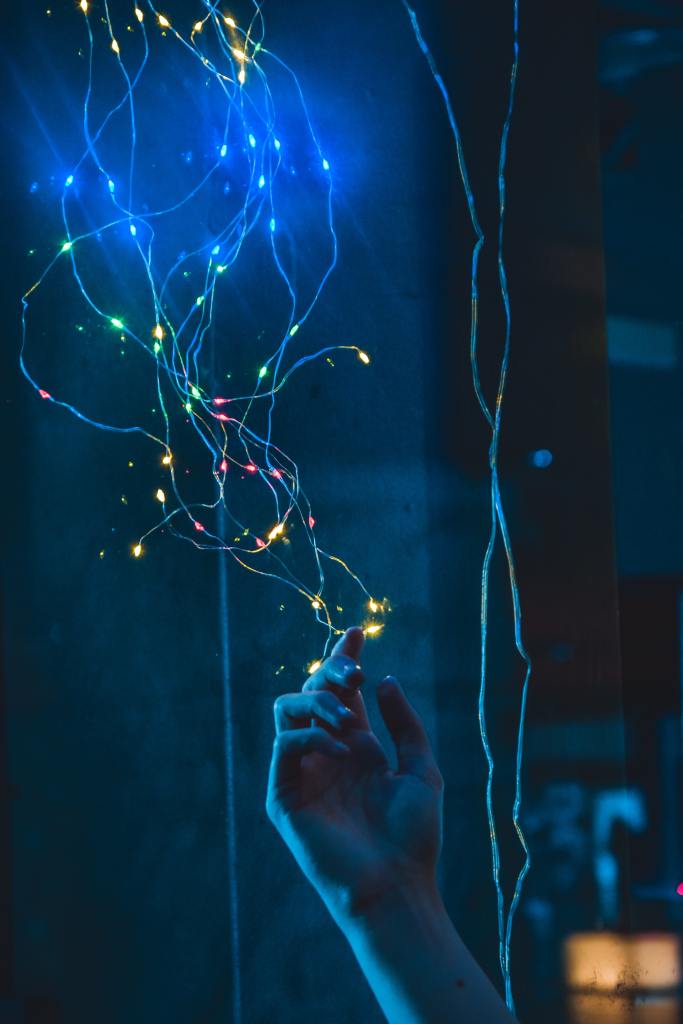
But with the acceptance of that Easter invitation came an opening. It was a nudge to lift the blinds, refocus my gaze, to partake in Life. The twilight zone between light and dark is unavoidable and sometimes necessary to get to the space beyond that allows a dam to break and the joy that comes from connection, even if it’s a string of lights for starters.

Wondrous Heart

My mom was a faithful sender of valentines, and I found myself really missing her this past Valentine’s Day. It was as good an excuse as any to eat chocolate hearts with my coffee. Later, I indulged in several pastel-colored conversation hearts, stopping to read only a few of the special messages imprinted on them: QT PIE, TEXT ME, MISS YOU. 

Consumed with all things heart, I googled how many times heart is used as a metaphor and found this stat in the European Heart Journal: The Oxford English Dictionary has an entry of 15,000 words for the word heart, most of which relate to its use as a metaphor for emotional states, reasoning and other meanings such as the centre of places and things or the central point in an argument. (“The Heart, a Constant and Universal Metaphor” by Desmond Sheridan, MD, PhD) 

The heart is queen of metonymy and metaphor. It can be warm like a hearth or cold and hard like a stone. Within lies the hallowed space we retreat to for grounding and renewal. We cross it, hope to die, and swear all manner of promises on it. The heart swells, it overflows, it is still, empty, lost or seeking. It is the sacred vessel in which we carry the ones we love. Resilient and valiant, no matter how battered, it will put itself out there again and again, often against our mind’s objections. Oh silly, brave, precious heart, we are nothing without you. 

Endlessly wondrous, in a day, the average heart beats 100,000 times and pumps an astounding 1,500 to 2,000 gallons of blood. One heart transplant patient claims she recovered to find herself craving beer and chicken nuggets, and later discovered they had been pleasures of her young male donor. A pediatric surgeon told me the mother of one of his patient’s worried about her son’s soul during surgery, so clear was she that the heart was its habitat. 

The head sits above the heart and far too often takes the lead putting our better judgment in peril, obscuring our higher selves. What if egos literally had to be checked at the door like coats at a restaurant, and we were forced to lead with our hearts? Would we then lay down our swords? Would we all win the day? Would it matter?

What I know is that if the heart is not at the table, I’m not interested in the conversation. DREAM BIG, PEACE, LOVE YOU.

Per·​se·​ver·​ance

According to Merriam – Webster the essential meaning of perseverance is: the quality that allows someone to continue trying to do something even though it is difficult.

I’m a compartmentalizer and a fan of distraction, and like millions of others, I am also addicted to word games like the NY Times Spelling Bee and Wordle. It’s no surprise, then, that I look at a word like perseverance, and other words start announcing themselves. Are you game?

Persevere like your life depends on it, because it always does but especially now in these challenging, changing times. You don’t have to do this alone. In fact, that is ill-advised.

You can stay the course, whatever that course is. Do not give in or give up. You’ve got this!

Serve, yourself first, by whatever means necessary to feed your spirit, keep your mind limber, and your body in good health. Then you will have the fuel to serve elsewhere when that feels right, including our ailing planet and of course, other people.

Perseverance sometimes requires ditching old patterns. Don’t be afraid to pivot when necessary. Veer right or left, take a new path. Think outside the box.

Sever from people and habits that no longer serve you. They only make it harder to persevere. 

Ah reverence… Use the vocabulary of the divine in your every day. Find what is holy in the ordinary. Can’t find it? Scan again. Wherever you are this moment, within your field of vision there is at least one thing you revere. Did you look inward?

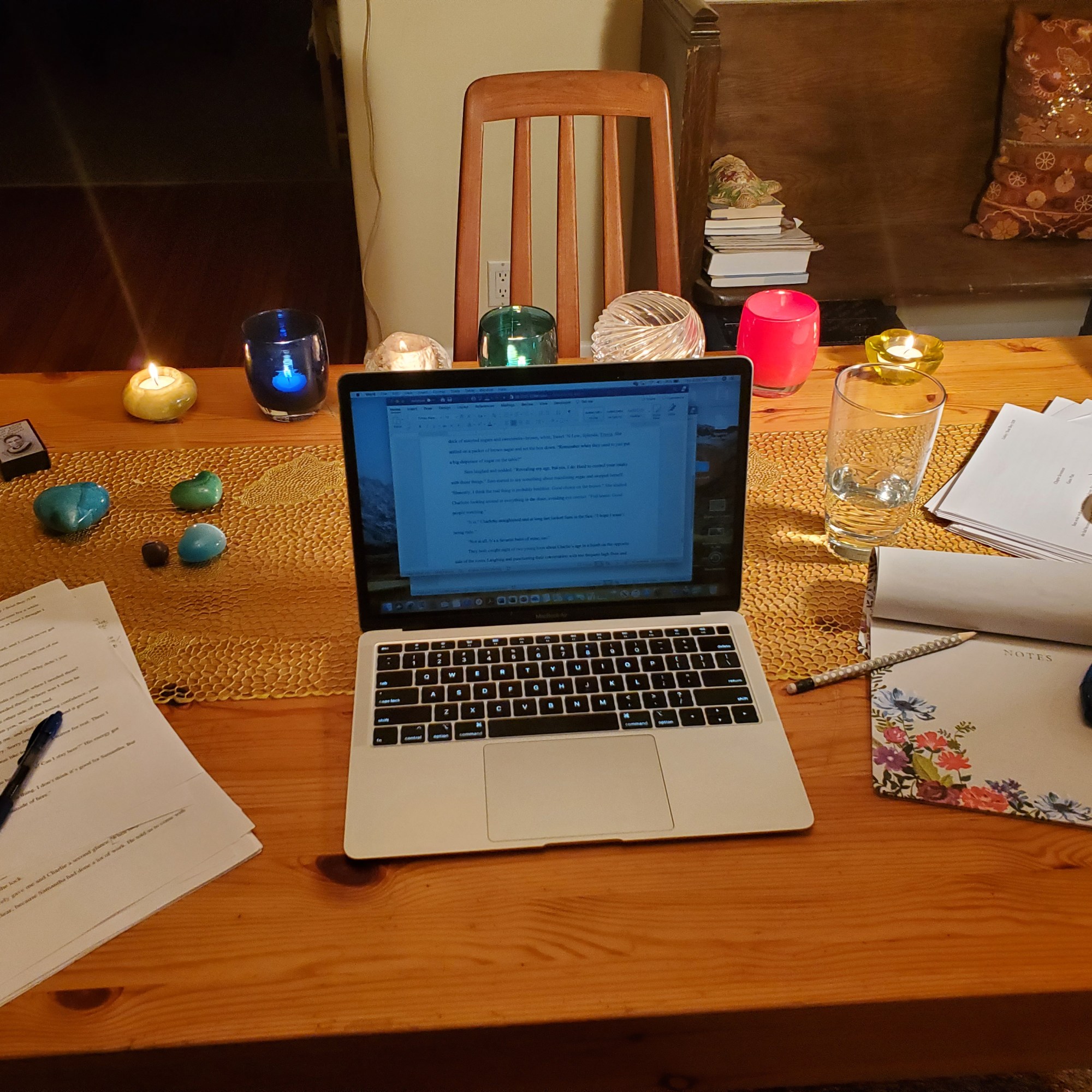
Use ritual to persevere. Do what you know soothes. Break for the cup of tea, pause in silence, look out a window, step outside, breathe, play a game. I turned my writing table into an altar the other day. True, it was a distraction from the task at hand, but it also brought me to the altar to do the writing ritual. And not so secretly I like pretending to be a high priestess. Don’t be afraid to play—and laugh—in service of perseverance and the greater good. 

Presence is everything. Honor the moment. Stay in it. 

Best Wishes for a Happy, Healthy New Year!

Illuminating Shadow

When I was in third grade, the school bully lived in my neighborhood. I didn’t know that when I saw him standing on top of the jungle gym on the playground with his arms outstretched in a victory V. He was bigger than the other boys in my class. He didn’t fit in, and he evoked a complex mixture of emotions in me: fear, awe, anxiety, confused compassion.

I learned that our backyards adjoined at the corners, separated by two rows of bushes that grew together at the top, making for a not-so-secret cave-fort beneath them. One day he spied me hanging out in the fort and invited me over to swing. I loved to swing, and we didn’t have a swing set. Whatever reservations I had about him were quickly tamped down by my desire to have fun, and I crossed the threshold into his backyard. We didn’t say much to each other, and I don’t remember ever going there again. 

During this season of celebrating light, we look more deeply into the heart of darkness, the shadows, and we seek illumination. The distribution of it, like so much, is inequitable and inconsistent. Abuse and injustice, illness and loss, poverty and violence—all of that and more–can cause the most vital light, that which flames within, to be dimmed. Those of us who have received, and continue to receive more light, are called upon to kindle embers that threaten to become ash, including our own.

The bully was a foster child . We were both broken in our different ways. He was kind to me and my brothers. We saw the light in him that our classmates didn’t. Forever after that time I soared on a swing in his backyard, I saw him as a protector, a light bearer rather than someone in shadow.

The play of light and shadow is not seasonal, but the lighting of candles and festivals of light all around the world this time of year bring what we anticipate and long for–beauty, joy and hope–reflecting what flames within and wants to shine so brilliantly, illuminating shadow, magnifying light.